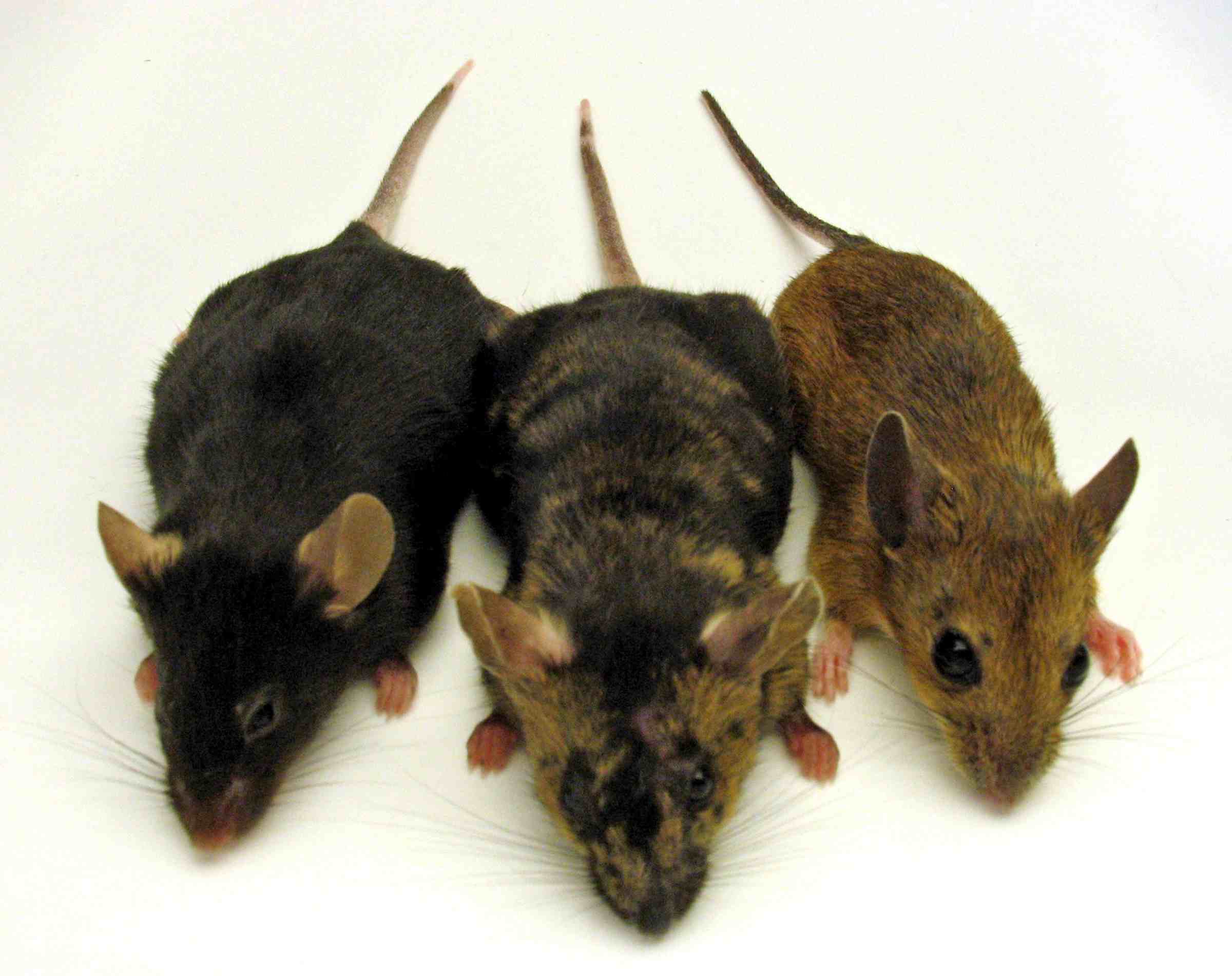
Problems Mice cause.
When house mice live in or around structures, they almost always cause some degree of economic damage. In homes and commercial buildings, they may feed on various stored food items or pet foods. In addition, they usually contaminate foodstuffs with their urine, droppings, and hair. A single mouse eats only about 8 pounds of food per year but destroys considerably more food than it consumes because of its habit of nibbling on many foods and discarding partially eaten items.
House mice cause damage to buildings by their gnawing and nest-building activities. House mice often make homes in large electrical appliances, and here they may chew up wiring as well as insulation, resulting in short circuits which create fire hazards or expensive damage. Mice may also damage stored items in attics, basements, garages, or museums. Damaged family heirlooms, paintings, books, documents, and other such items may be impossible to replace. Among the diseases mice or their parasites may transmit to humans are salmonellosis (food poisoning), rickett-sialpox, and lymphocytic choriomeningitis. Mice may also carry leptospirosis, ratbite fever, tapeworms, and organisms that can cause ringworm (a fungal skin disease) in humans.
|